

Glute strength matters even if you don't have hip pain
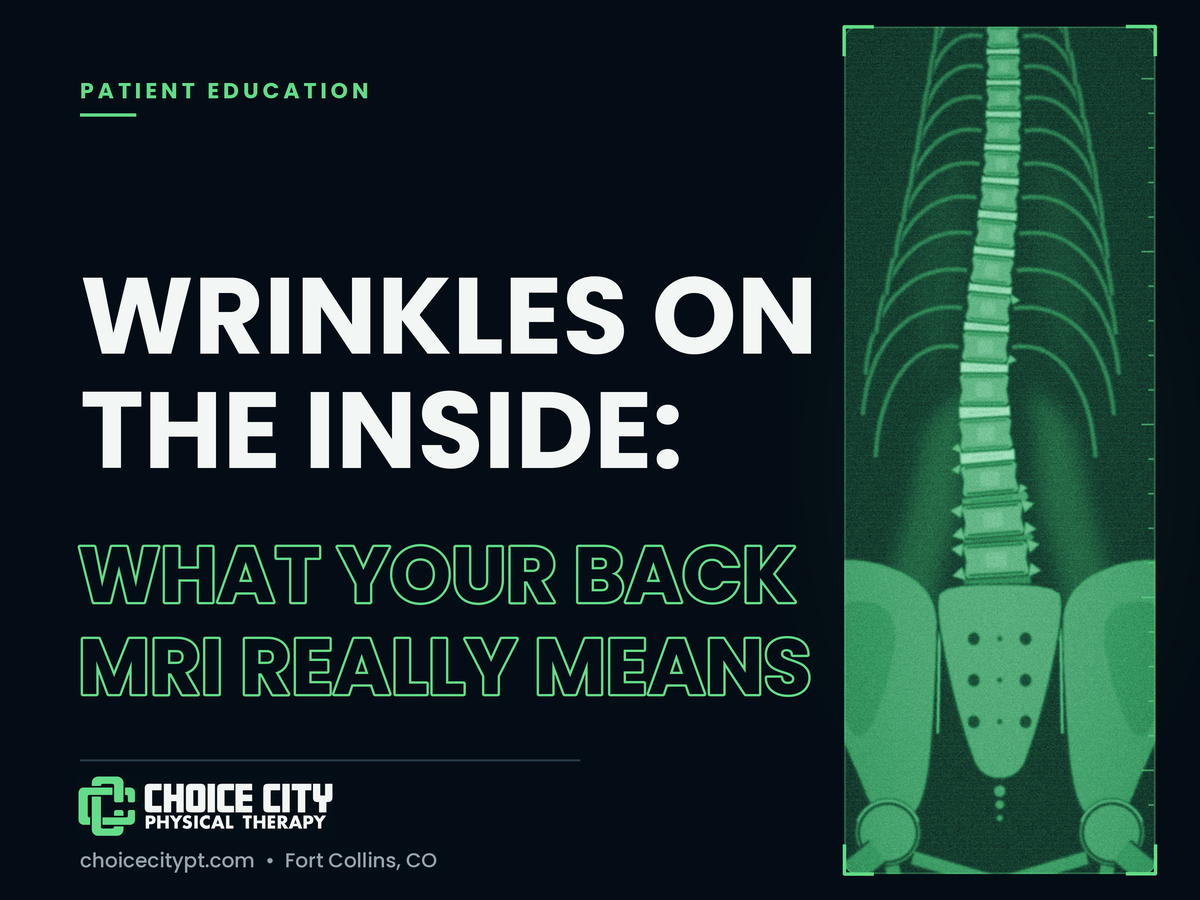
If you have ever experienced low back pain, you know how tempting it is to want a peek inside. You want an X-ray or an MRI to find the exact smoking gun causing your discomfort.
But when the results come back, the medical jargon can be terrifying. Words like disc degeneration, bulging discs, and arthritis sound like a structural disaster.
Here is the life-changing secret about spinal imaging: what we see on your scan might have absolutely nothing to do with your pain.
To understand why, we have to talk about what happens to the human spine as we age, whether we feel it or not.
The Inside Aging Process
Think about your skin. As the decades pass, it is entirely normal to develop wrinkles, gray hair, and laugh lines. We do not view these as diseases. They are simply signs of a life lived.
Your spine goes through the exact same process. Doctors often call these imaging findings wrinkles on the inside.
A landmark medical study gathered data on thousands of people who had completely healthy, pain-free backs. They gave them MRIs and CT scans to see what a normal spine looks like at different ages. The results were eye-opening.
The Lifespan Breakdown
In your 20s: Even among 20-year-olds with zero back pain, over one-third (37%) had disc degeneration. About 30% had a bulging disc.
In your 40s: By the time people reach 40, half of those without any pain have disc degeneration. Roughly 40% have disc bulges.
In your 60s and beyond: For pain-free individuals in their 60s, disc degeneration jumps to nearly 90%. More than two-thirds have disc bulges, and many show signs of spinal arthritis.
What does this mean for you? It means that if you are 50 years old and your MRI shows a bulging disc, that finding is statistically normal. It is just as common as having a few gray hairs.
Symptomatic vs. Asymptomatic
If pain-free people have these issues, why do some people hurt?
The truth is that pain is complex. A scan shows structure, but it does not show function, inflammation, or how your nerves tolerate pressure. Two people can have the exact same MRI showing a severe disc bulge. One person might be training for a marathon completely pain-free, while the other can barely get out of bed.
Your imaging is only one piece of the puzzle. A good clinician treats the person, not the scan.
When Imaging Actually Matters
This does not mean scans are useless. Imaging is incredibly important if you experience what doctors call red flag symptoms. These include progressive leg weakness, numbness in your groin area, or changes in your bowel and bladder control. Scans are also crucial if your pain is the result of a major traumatic injury.
But for standard, everyday low back pain, a scary-sounding MRI report should not cause panic.
Your back is stronger and more resilient than a single picture lets on. Focus on how you move, how you feel, and how you heal, rather than the wrinkles on your inside.
This should NOT be taken as medical advice. As always, consult your health care provider or physical therapist for a more individualized examination to consider what is actually relevant in your presentation. If you are struggling with ongoing low back related pains, schedule an initial evaluation with us to get properly, and thoroughly assessed.
References:
Brinjikji, W., et al. (2015). Systematic literature review of imaging features of spinal degeneration in asymptomatic populations. American Journal of Neuroradiology, 36(4), 811-816.
Maher, C., Underwood, M., & Buchbinder, R. (2017). Non-specific low back pain. The Lancet, 389(10070), 736-747.
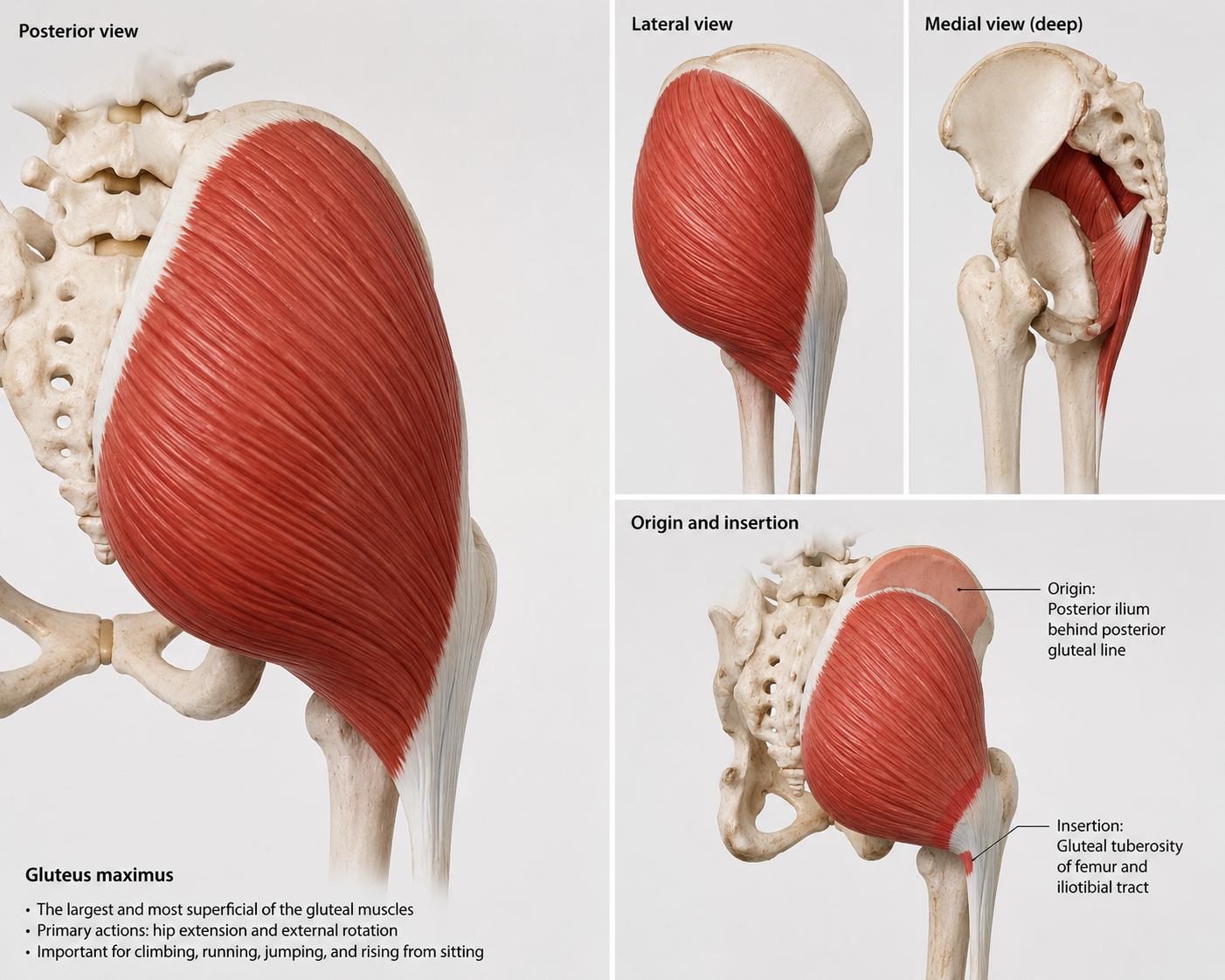
Why Glute Strength Matters Even If You Don't Have Hip Pain

Does your low Back MRI matter?
Your back MRI may be a waste of money, and may not change your treatment.

All About Insurance
Here is everything you need to know about health insurance, and why it is so dang confusing.